Support and cooperation

Through this call, we want to help culture and communities in Bratislava grow. The intention is to develop cooperation with an unestablished cultural scene that professes European democratic values ​​in its activities. The common foundation is the cultural tradition of Europe built on indivisible and universal values ​​such as human dignity, freedom, equality and solidarity.

We enter into the cooperation in organizing events as a partner who cares about increasing the quality and accessibility of cultural life throughout the city. The result of this partnership is the joint building of an open and accessible environment for the diverse cultural life of the city.

Opening Date: 11. 09. 2026
ongoing call

Next closing date: 31. 10. 2026
for events held from 1. 2. 2027 to 31. 5. 2027

Contact:
Contact person: Ľubica Poncik
Email: ks.sikb@llacneo
Phone: +421 948 251 705

Call information

Objective of the challenge and ideological basis of cooperation


The aim of this call is to support cultural and community activities that develop the cultural environment and increase the accessibility of culture in Bratislava.

Availability of cultural offerings ensures that events are accessible to the general public in terms of financial, physical and content. It is important to have a clear and diverse dramaturgy, communication with different groups and communities, and gradually remove barriers so that they are accessible to everyone without distinction. Tools for ensuring accessibility include, for example, discounted admission for children and seniors, interpreting the event into Slovak Sign Language, interpreting into a minority language, informing about the physical accessibility of the event, marking the event with pictograms, targeted and timely information about the event, etc.

Below are described in more detail the starting points that represent the key criteria for selecting projects, and it is assumed that not only artistically focused events, but also community activities will be supported.

Decentralization of cultural offer

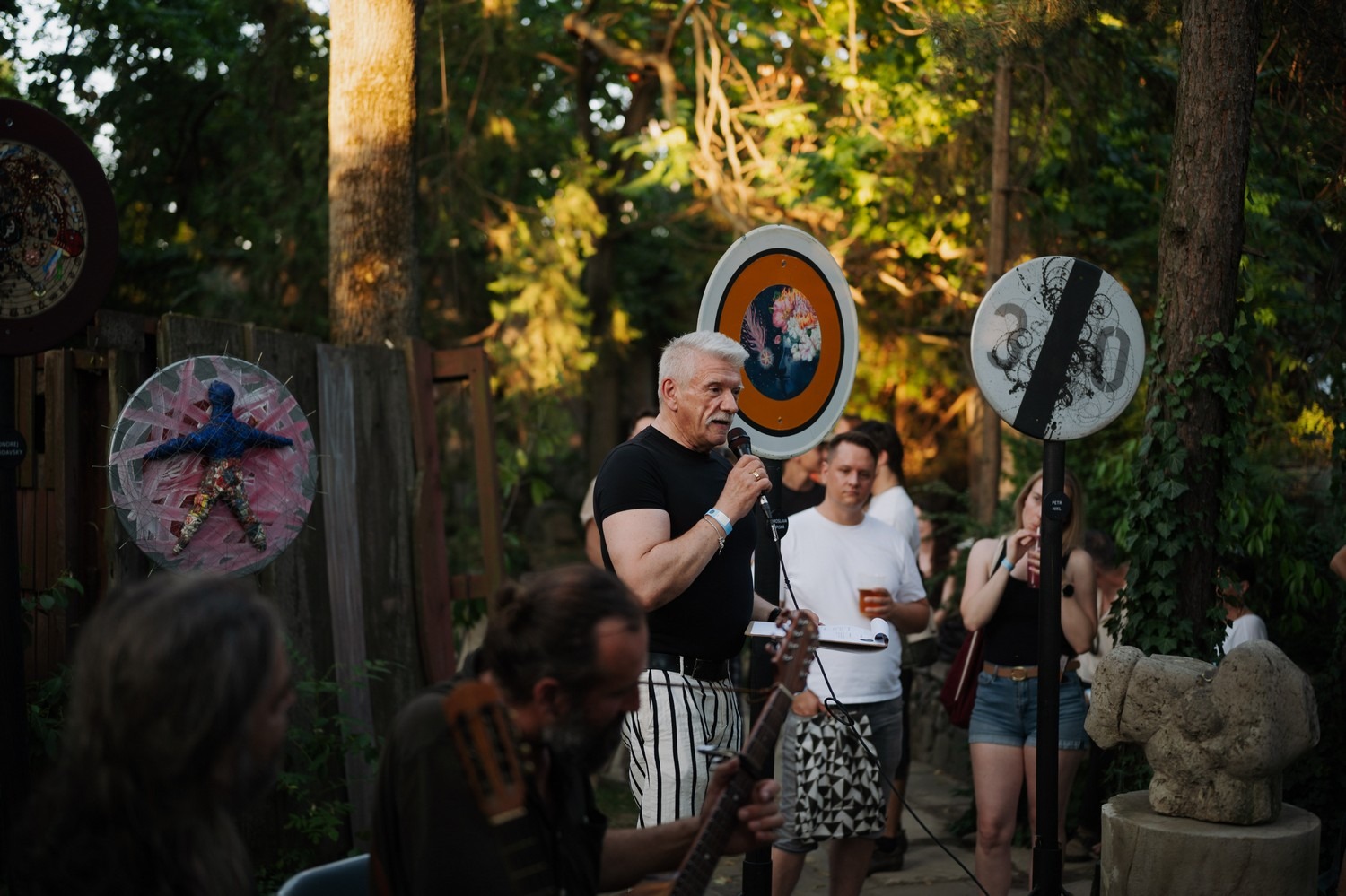
means expanding the range of events to all city districts ("outside the city center"). Events can be held in underused spaces, in non-standard locations, in public spaces. The goal is a more even geographical distribution of cultural offerings, which will allow better accessibility for people with limited mobility.

Inclusive cultural offer

includes events that break down prejudices and stereotypes against disadvantaged groups. This is primarily about social inclusion and participation, strengthening the positive perception of groups on the margins of society, strengthening intergenerational dialogue. On the other hand, the inclusion of excluded and disadvantaged groups supports their socialization, integration and adaptation to various situations. Cultural and community events involve vulnerable groups such as children and youth, senior citizens, people with health disabilities or in crisis situations, or foreign communities living in Bratislava.

Debarrierization

It consists of removing any barriers, e.g. physical, social or psychological. It is a key tool in ensuring the accessibility of cultural and community events.

Working with the community

ensures participation and cooperation not only with partners, but it is an open, participatory, co-creative process in which the entire population can participate. A process set up in this way has the potential to create active support for the event from the local public. People create a relationship with the culture, community and the place where they live. We understand a community as a group of people who live in interaction based on a common location ranging from a neighborhood, a city district, etc., or as a group that is organized around common values, interests and social cohesion, as well as individuals who have the same needs or characteristics, regardless of their location or type of interaction (subcultures, ethnic communities, various associations, etc.).

For more information on how to prepare an application that clearly communicates the benefits of your project in line with this call, please see the document Ten successful projects [PDF, 142 KB] and we have prepared for you also Successful Applicant Manual [PDF, 143 KB].

Support conditions and application submission


The call is intended for events that are anchored in space and time, have a defined budget, implementation team, goal and purpose. These are finished projects in which BKIS does not participate dramaturgically.

You can apply for support and cooperation via the form as a natural or legal person organizing a cultural or community event in Bratislava, with the exception of municipal and public organizations, including foreign representative bodies. The number of applications is not limited. Instructions on how to properly prepare an application can be found in the section How to Apply.

You must submit a request for support and cooperation via the application form. Upon successful submission, you will receive an email notification directly from the system, with a generated application code starting with OC1. If you did not receive such an email (even in the spam folder), the application was probably not sent correctly. Please contact us for verification.

For events that require an admission fee, your financial contribution to the collaboration is required. Upon mutual agreement, you can replace the financial contribution by providing tickets to the event with financial value for the purpose of providing them to the public, or by sharing the admission fee if the event takes place in the BKIS space, or a combination of both.

There is no legal entitlement to receive BKIS support.

Application submission schedule


Applications can be submitted throughout the year. We will evaluate each application after the deadline that corresponds to the date of your event.  

The evaluation takes place in three rounds:

  • deadline 28. 2. – for events taking place between 1. 6. and 30. 9.
  • deadline 30. 6. – for events taking place between 1 February and 31 May of the following year
  • deadline 31. 10. – for events taking place between 1 February and 31 May of the following year

Support offer and premises


As part of this call, we offer the following support:

Technical support outside the BKIS premises

includes technology, stages, tents, inventory. A complete list of technical support provided can be found in the application form

Premises under the management of BKIS
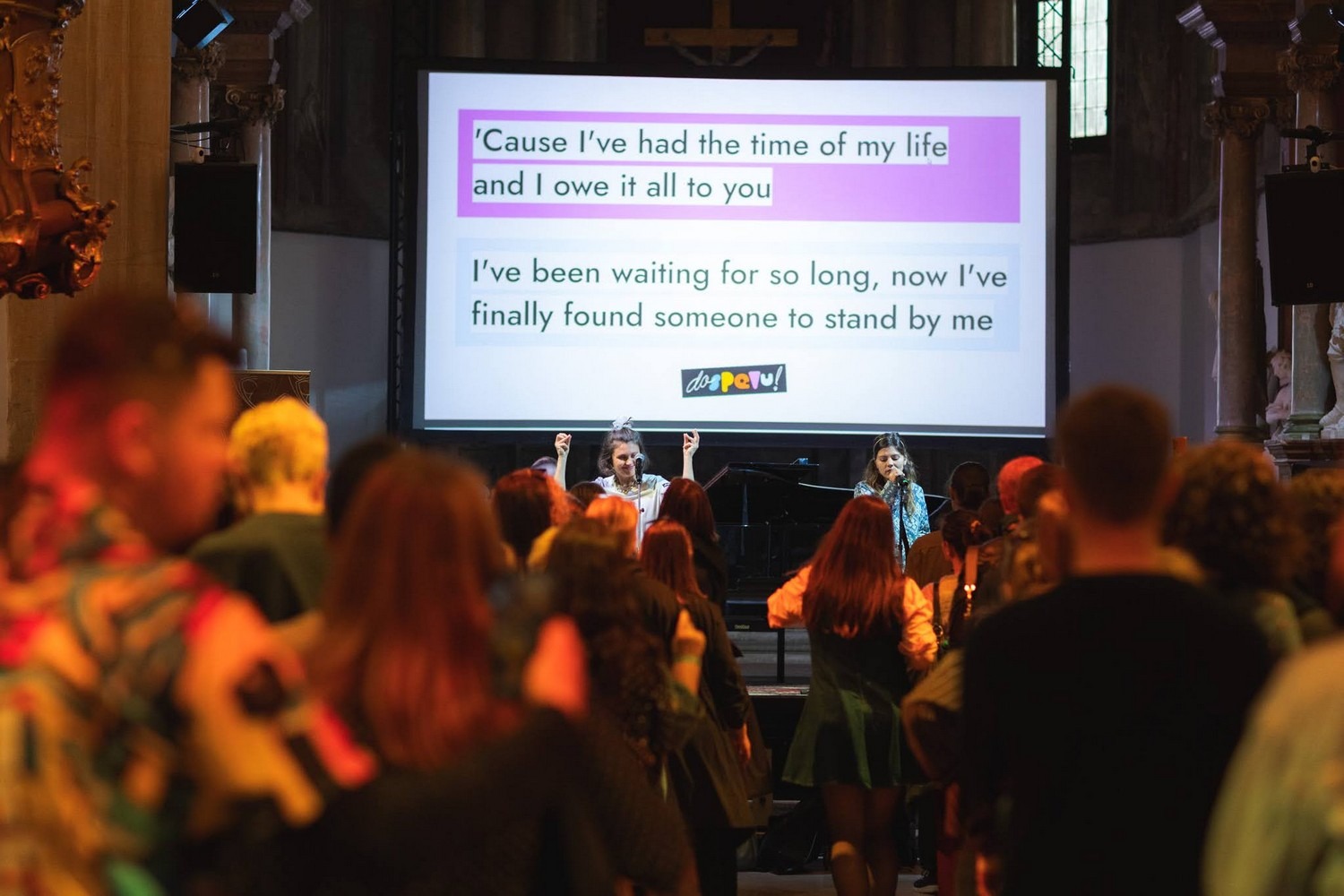
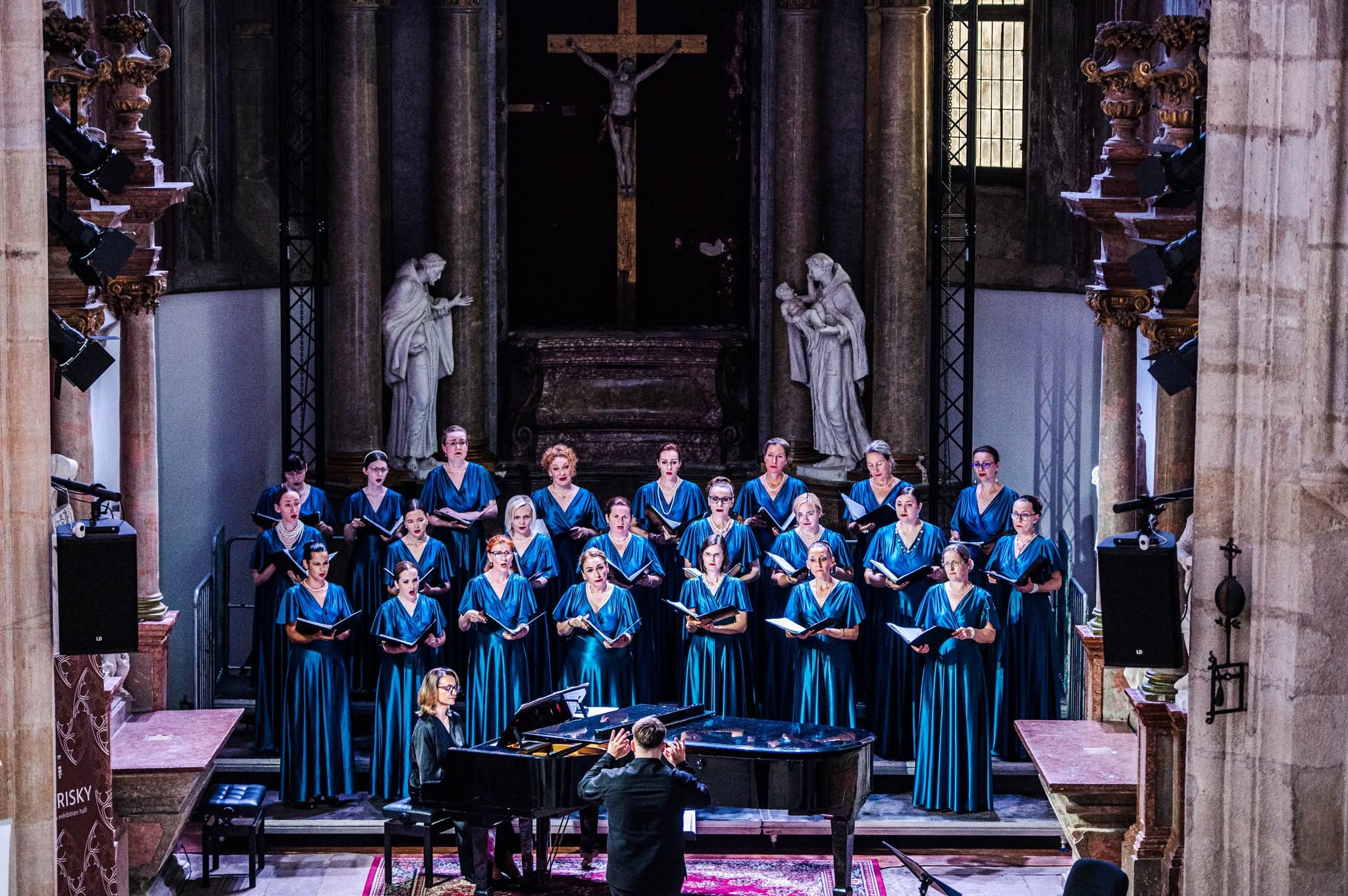
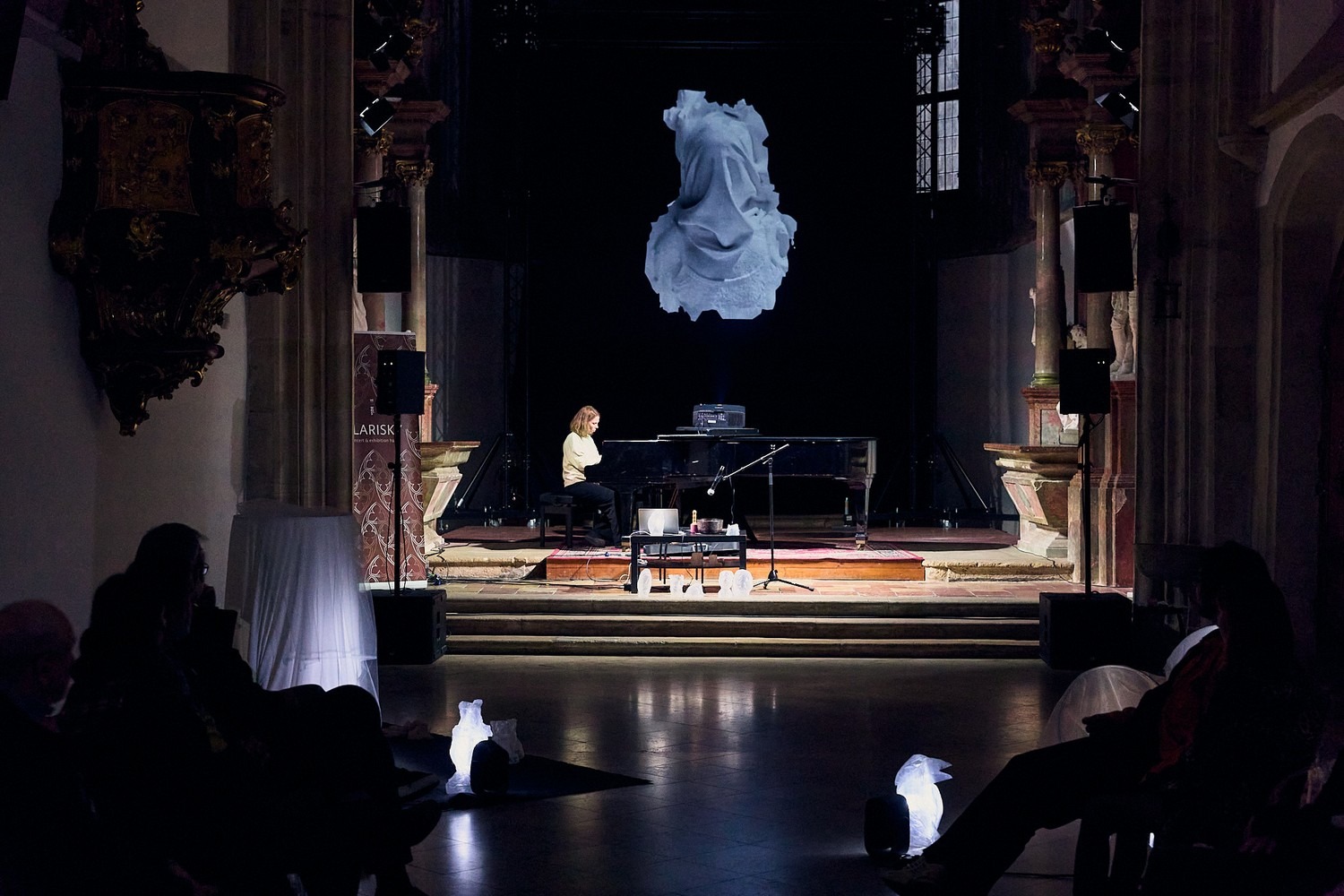
  • Klarisky Concert Hall – barrier-free space with a capacity of 200 seats suitable for representative events respecting the character of the national cultural monument (duration max. 5 days including preparations)
  • White 6 – 1st floor – barrier-free space with a capacity of 50 people suitable for more intimate events and exhibitions (lasting up to 3 weeks)
  • House of Music – Concert Hall – newly renovated barrier-free concert hall with a capacity of 90 seats suitable for chamber concerts and musical events
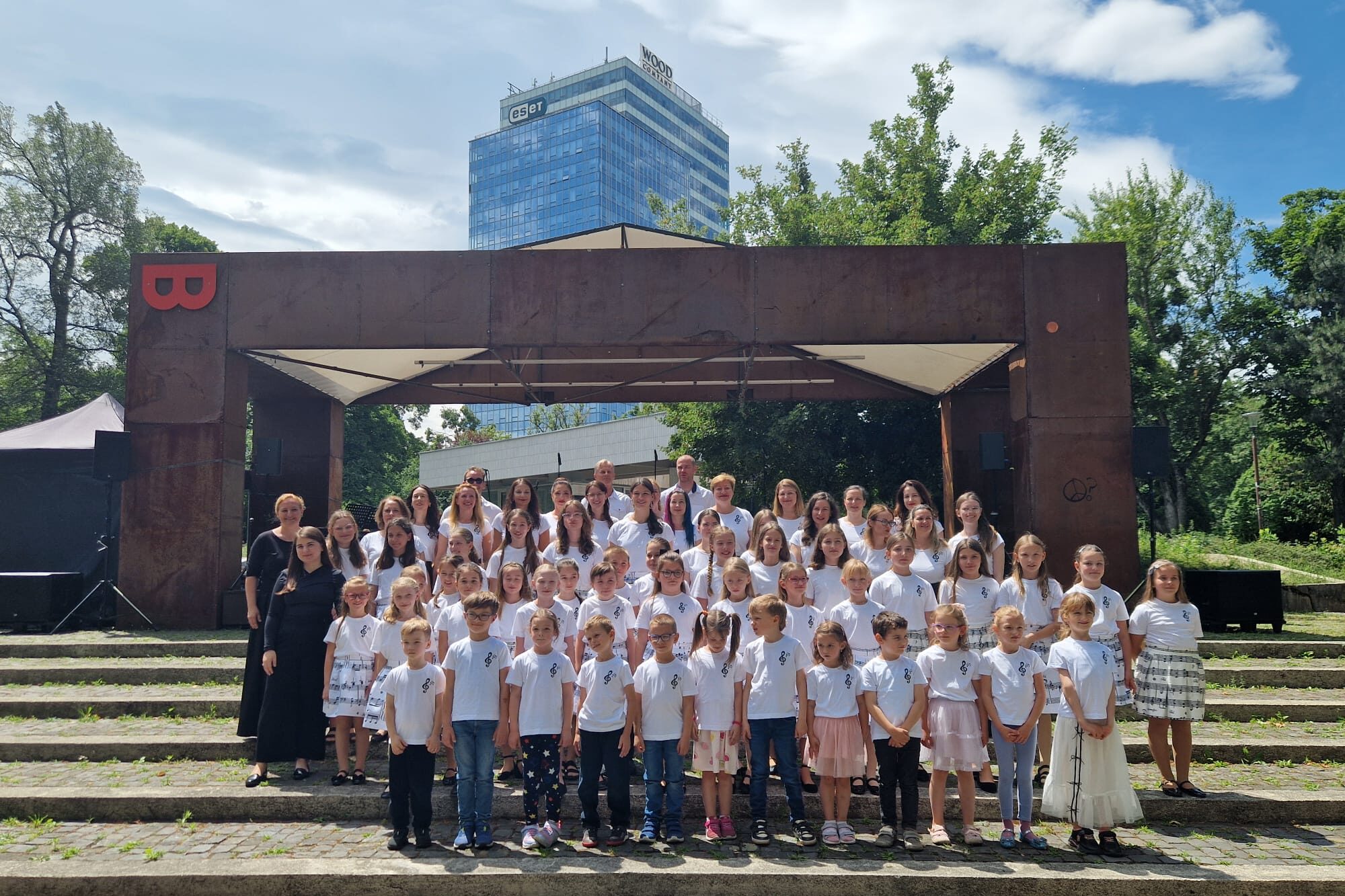
  • Cultural scene in Janko Kráľa Park – transparent outdoor stage with a light roof and an auditorium on two sides, designed for free public events
Other spaces

Oasis – community center [PDF, 248 KB] – in cooperation with the Old Market Alliance, we offer a green, light-filled space in the Old Market with a capacity of 25 people, suitable for community activities, workshops, informal meetings, lectures, literary readings or small concerts

Promotional support
  • Cultural Overview and Tootoot – promotion of the event on BKIS website and on the Tootoot digital platform (we provide it automatically for all approved projects)
  • Social networks – promotion of the event on BKIS social networks according to BKIS's current editorial and capacity capabilities (provision is not guaranteed)
  • Poster printing and hanging – printing of 22 A1 posters (one visual), their distribution and two-week display on advertising reels in the city districts of Bratislava (we provide only in combination with another form of support – space or technology).

Evaluation and selection of applications


Formal inspection

After each deadline (28/2/30/6/31/10), we will review the applications received according to the formal criteria listed below.

We will first verify that your event date is in line with the call schedule. If you submitted your application ahead of time, we will automatically move it for evaluation to the relevant deadline. Applications submitted after the deadline will be rejected due to non-compliance with the schedule.

If your application is missing information within the deadline, we will email you to request additional information within 3 business days. If you do not provide the required information within this period, your application will be rejected.

We will always inform you of any rejection by email.

Formal criteria
  1. Is the application submitted in accordance with the call timetable?
  2. Is the applicant eligible under the call? (exclusion criterion)
  3. Is the venue of the event in the capital city of Bratislava? (exclusionary criterion)
  4. Is there a conflict between the event's implementation date and an already approved event in the BKIS space? (can be added)
  5. In case of previous cooperation, has the applicant settled all obligations towards BKIS? (financial contribution to cooperation paid, event report delivered) (can be added)

Expert evaluation

If your application meets the formal criteria, it will proceed to expert evaluation. This will be carried out by an evaluation committee consisting of three representatives – BKIS, the Capital City of the Slovak Republic Bratislava, and the professional public.

Each evaluator will independently assess all applications according to the evaluation criteria. The resulting evaluation is the average of the points of the entire evaluation team. Applications with 30 points or more will be recommended for approval by the committee. If your application receives less than 30 points, the committee will recommend not approving it.

At its meeting, the Commission will discuss any controversial projects with a significant difference in evaluation that affects the final ranking and will compile a final professional ranking of applications.

Details on the functioning of the commission can be found in Statutes of the Evaluation Committee [PDF, 198 KB].

Evaluation criteria (max. 50 points)

1. Compliance with the objectives and ideological basis of the challenge (max. 20 points)

The criterion assesses the degree of synergy of the project with the city's conceptual objectives in the areas of accessibility, diversity, decentralization and inclusion.
 
20 – 15 points: The project demonstrates a high level of alignment with the objectives of the call. Activities are designed with an emphasis on measurability of results and demonstrable impact on target groups.
 
14 – 10 points: The project meets the set objectives. The application contains sufficient argumentation of compliance with priorities with a realistic assumption of impact.
 
9 – 5 points: Insufficient level of specification of compliance with the objectives of the call. The impact on target groups cannot be relevantly assessed based on the submitted documentation.
 
4 – 0 points: The selected objectives are in conflict with the objectives of the call, or there is no impact on the target groups.

2. Quality, benefit and professional level (max. 20 points)

The criterion assesses artistic and professional integrity, innovativeness of dramaturgy, and the degree of contribution to the development of the cultural environment of the capital.
 
20 – 15 points: The event represents an original cultural contribution in the Bratislava environment or in an international context. The dramaturgy shows a high degree of innovation in content or in the way the audience/community is involved.
 
14 – 10 points: The event represents a cultural contribution to the city of Bratislava. The quality of the outputs and the involvement of residents (participatory approach) help develop the cultural environment.
 
9 – 5 points: The event demonstrates standard quality, but without demonstrable contribution to the development or qualitative shift of the cultural environment.
 
4 – 0 points: The event does not achieve sufficient quality, the outputs do not lead to environmental development, or the quality cannot be assessed at all from the application.

3. Feasibility (max. 10 points)

The criterion assesses the logical coherence of the project, time feasibility, personnel capacities and budget efficiency (value for money).
 
10 – 8 points: The project is written clearly and concisely. The schedule is realistic and firmly anchored in time. The budget is economical, adequate and fully justified in relation to the planned activities.
 
7 – 4 points: The project does not sufficiently meet all the requirements. The schedule or budget is not detailed enough and there is a risk that the project will not be implemented.
 
3 – 0 points: The submitted documentation does not provide sufficient evidence to objectively assess the questions listed in the form. The budget is not adequate and the feasibility of the project according to the schedule cannot be assessed.

Capacity assessment and BKIS decision

The BKIS Director decides on the final allocation of support based on the recommendation of the committee and the capacity of the BKIS. If the Director deviates from the recommendation of the committee, this change must be justified in writing. Applications recommended for approval by the evaluation committee are assessed in terms of our available technical, spatial, personnel and promotional capacities. For applications recommended for non-approval, we do not assess the availability of capacities if the Director agrees with the recommendation of the committee.

We allocate support gradually from the best rated projects until the capacity is exhausted in a given period. For capacity reasons, we may

  • adjust or reduce the scope of the requested support (we do not guarantee the provision of support in the full required scope),
  • not provide support even to a highly rated project if the space or equipment is fully occupied by the requested date.

Results and subsequent cooperation

We will inform you of the outcome of the evaluation – whether approval, disapproval, or approval with a modified scope – by email on the following dates:

  • after the closing date of 28. 2.: until June 15
  • after the closing date of 30. 6.: until June 15
  • after the closing date of 31. 10.: until June 15

Within the same period, we will also publish on the BKIS website the professional ranking of applications prepared by the committee, as well as the final decision of the BKIS director.

If your application is approved, after mutual agreement on the terms of cooperation (performance, obligations, possible financial contribution), we will conclude Cooperation Agreement [PDF, 220 KB].

Information about the course of cooperation in the implementation of the event can be found in the document General information on approved support [PDF, 139 KB].

Call information

Objective of the challenge and ideological basis of cooperation


The aim of this call is to support cultural and community activities that develop the cultural environment and increase the accessibility of culture in Bratislava.

Availability of cultural offerings ensures that events are accessible to the general public in terms of financial, physical and content. It is important to have a clear and diverse dramaturgy, communication with different groups and communities, and gradually remove barriers so that they are accessible to everyone without distinction. Tools for ensuring accessibility include, for example, discounted admission for children and seniors, interpreting the event into Slovak Sign Language, interpreting into a minority language, informing about the physical accessibility of the event, marking the event with pictograms, targeted and timely information about the event, etc.

Below are described in more detail the starting points that represent the key criteria for selecting projects, and it is assumed that not only artistically focused events, but also community activities will be supported.

Decentralization of cultural offer

means expanding the range of events to all city districts ("outside the city center"). Events can be held in underused spaces, in non-standard locations, in public spaces. The goal is a more even geographical distribution of cultural offerings, which will allow better accessibility for people with limited mobility.

Inclusive cultural offer

includes events that break down prejudices and stereotypes against disadvantaged groups. This is primarily about social inclusion and participation, strengthening the positive perception of groups on the margins of society, strengthening intergenerational dialogue. On the other hand, the inclusion of excluded and disadvantaged groups supports their socialization, integration and adaptation to various situations. Cultural and community events involve vulnerable groups such as children and youth, senior citizens, people with health disabilities or in crisis situations, or foreign communities living in Bratislava.

Debarrierization

It consists of removing any barriers, e.g. physical, social or psychological. It is a key tool in ensuring the accessibility of cultural and community events.

Working with the community

ensures participation and cooperation not only with partners, but it is an open, participatory, co-creative process in which the entire population can participate. A process set up in this way has the potential to create active support for the event from the local public. People create a relationship with the culture, community and the place where they live. We understand a community as a group of people who live in interaction based on a common location ranging from a neighborhood, a city district, etc., or as a group that is organized around common values, interests and social cohesion, as well as individuals who have the same needs or characteristics, regardless of their location or type of interaction (subcultures, ethnic communities, various associations, etc.).

For more information on how to prepare an application that clearly communicates the benefits of your project in line with this call, please see the document Ten successful projects [PDF, 142 KB] and we have prepared for you also Successful Applicant Manual [PDF, 143 KB].

Support conditions and application submission


The call is intended for events that are anchored in space and time, have a defined budget, implementation team, goal and purpose. These are finished projects in which BKIS does not participate dramaturgically.

You can apply for support and cooperation via the form as a natural or legal person organizing a cultural or community event in Bratislava, with the exception of municipal and public organizations, including foreign representative bodies. The number of applications is not limited. Instructions on how to properly prepare an application can be found in the section How to Apply.

You must submit a request for support and cooperation via the application form. Upon successful submission, you will receive an email notification directly from the system, with a generated application code starting with OC1. If you did not receive such an email (even in the spam folder), the application was probably not sent correctly. Please contact us for verification.

For events that require an admission fee, your financial contribution to the collaboration is required. Upon mutual agreement, you can replace the financial contribution by providing tickets to the event with financial value for the purpose of providing them to the public, or by sharing the admission fee if the event takes place in the BKIS space, or a combination of both.

There is no legal entitlement to receive BKIS support.

Application submission schedule


Applications can be submitted throughout the year. We will evaluate each application after the deadline that corresponds to the date of your event.  

The evaluation takes place in three rounds:

  • deadline 28. 2. – for events taking place between 1. 6. and 30. 9.
  • deadline 30. 6. – for events taking place between 1 February and 31 May of the following year
  • deadline 31. 10. – for events taking place between 1 February and 31 May of the following year

Support offer and premises


As part of this call, we offer the following support:

Technical support outside the BKIS premises

includes technology, stages, tents, inventory. A complete list of technical support provided can be found in the application form

Premises under the management of BKIS
  • Klarisky Concert Hall – barrier-free space with a capacity of 200 seats suitable for representative events respecting the character of the national cultural monument (duration max. 5 days including preparations)
  • White 6 – 1st floor – barrier-free space with a capacity of 50 people suitable for more intimate events and exhibitions (lasting up to 3 weeks)
  • House of Music – Concert Hall – newly renovated barrier-free concert hall with a capacity of 90 seats suitable for chamber concerts and musical events
  • Cultural scene in Janko Kráľa Park – transparent outdoor stage with a light roof and an auditorium on two sides, designed for free public events
Other spaces

Oasis – community center [PDF, 248 KB] – in cooperation with the Old Market Alliance, we offer a green, light-filled space in the Old Market with a capacity of 25 people, suitable for community activities, workshops, informal meetings, lectures, literary readings or small concerts

Promotional support
  • Cultural Overview and Tootoot – promotion of the event on BKIS website and on the Tootoot digital platform (we provide it automatically for all approved projects)
  • Social networks – promotion of the event on BKIS social networks according to BKIS's current editorial and capacity capabilities (provision is not guaranteed)
  • Poster printing and hanging – printing of 22 A1 posters (one visual), their distribution and two-week display on advertising reels in the city districts of Bratislava (we provide only in combination with another form of support – space or technology).

Evaluation and selection of applications


Formal inspection

After each deadline (28/2/30/6/31/10), we will review the applications received according to the formal criteria listed below.

We will first verify that your event date is in line with the call schedule. If you submitted your application ahead of time, we will automatically move it for evaluation to the relevant deadline. Applications submitted after the deadline will be rejected due to non-compliance with the schedule.

If your application is missing information within the deadline, we will email you to request additional information within 3 business days. If you do not provide the required information within this period, your application will be rejected.

We will always inform you of any rejection by email.

Formal criteria
  1. Is the application submitted in accordance with the call timetable?
  2. Is the applicant eligible under the call? (exclusion criterion)
  3. Is the venue of the event in the capital city of Bratislava? (exclusionary criterion)
  4. Is there a conflict between the event's implementation date and an already approved event in the BKIS space? (can be added)
  5. In case of previous cooperation, has the applicant settled all obligations towards BKIS? (financial contribution to cooperation paid, event report delivered) (can be added)

Expert evaluation

If your application meets the formal criteria, it will proceed to expert evaluation. This will be carried out by an evaluation committee consisting of three representatives – BKIS, the Capital City of the Slovak Republic Bratislava, and the professional public.

Each evaluator will independently assess all applications according to the evaluation criteria. The resulting evaluation is the average of the points of the entire evaluation team. Applications with 30 points or more will be recommended for approval by the committee. If your application receives less than 30 points, the committee will recommend not approving it.

At its meeting, the Commission will discuss any controversial projects with a significant difference in evaluation that affects the final ranking and will compile a final professional ranking of applications.

Details on the functioning of the commission can be found in Statutes of the Evaluation Committee [PDF, 198 KB].

Evaluation criteria (max. 50 points)

1. Compliance with the objectives and ideological basis of the challenge (max. 20 points)

The criterion assesses the degree of synergy of the project with the city's conceptual objectives in the areas of accessibility, diversity, decentralization and inclusion.
 
20 – 15 points: The project demonstrates a high level of alignment with the objectives of the call. Activities are designed with an emphasis on measurability of results and demonstrable impact on target groups.
 
14 – 10 points: The project meets the set objectives. The application contains sufficient argumentation of compliance with priorities with a realistic assumption of impact.
 
9 – 5 points: Insufficient level of specification of compliance with the objectives of the call. The impact on target groups cannot be relevantly assessed based on the submitted documentation.
 
4 – 0 points: The selected objectives are in conflict with the objectives of the call, or there is no impact on the target groups.

2. Quality, benefit and professional level (max. 20 points)

The criterion assesses artistic and professional integrity, innovativeness of dramaturgy, and the degree of contribution to the development of the cultural environment of the capital.
 
20 – 15 points: The event represents an original cultural contribution in the Bratislava environment or in an international context. The dramaturgy shows a high degree of innovation in content or in the way the audience/community is involved.
 
14 – 10 points: The event represents a cultural contribution to the city of Bratislava. The quality of the outputs and the involvement of residents (participatory approach) help develop the cultural environment.
 
9 – 5 points: The event demonstrates standard quality, but without demonstrable contribution to the development or qualitative shift of the cultural environment.
 
4 – 0 points: The event does not achieve sufficient quality, the outputs do not lead to environmental development, or the quality cannot be assessed at all from the application.

3. Feasibility (max. 10 points)

The criterion assesses the logical coherence of the project, time feasibility, personnel capacities and budget efficiency (value for money).
 
10 – 8 points: The project is written clearly and concisely. The schedule is realistic and firmly anchored in time. The budget is economical, adequate and fully justified in relation to the planned activities.
 
7 – 4 points: The project does not sufficiently meet all the requirements. The schedule or budget is not detailed enough and there is a risk that the project will not be implemented.
 
3 – 0 points: The submitted documentation does not provide sufficient evidence to objectively assess the questions listed in the form. The budget is not adequate and the feasibility of the project according to the schedule cannot be assessed.

Capacity assessment and BKIS decision

The BKIS Director decides on the final allocation of support based on the recommendation of the committee and the capacity of the BKIS. If the Director deviates from the recommendation of the committee, this change must be justified in writing. Applications recommended for approval by the evaluation committee are assessed in terms of our available technical, spatial, personnel and promotional capacities. For applications recommended for non-approval, we do not assess the availability of capacities if the Director agrees with the recommendation of the committee.

We allocate support gradually from the best rated projects until the capacity is exhausted in a given period. For capacity reasons, we may

  • adjust or reduce the scope of the requested support (we do not guarantee the provision of support in the full required scope),
  • not provide support even to a highly rated project if the space or equipment is fully occupied by the requested date.

Results and subsequent cooperation

We will inform you of the outcome of the evaluation – whether approval, disapproval, or approval with a modified scope – by email on the following dates:

  • after the closing date of 28. 2.: until June 15
  • after the closing date of 30. 6.: until June 15
  • after the closing date of 31. 10.: until June 15

Within the same period, we will also publish on the BKIS website the professional ranking of applications prepared by the committee, as well as the final decision of the BKIS director.

If your application is approved, after mutual agreement on the terms of cooperation (performance, obligations, possible financial contribution), we will conclude Cooperation Agreement [PDF, 220 KB].

Information about the course of cooperation in the implementation of the event can be found in the document General information on approved support [PDF, 139 KB].

Documents to download